
The Profile: Museum of Christian & Gospel Music

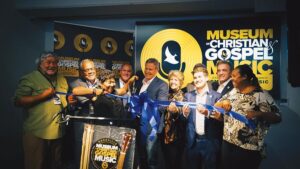
Photo Credit: Andy Evinger/ Courtesy of the Museum of Christian & Gospel Music
Building a Home for the Music That Built Us: Franklin’s Steve Gilreath Spearheads the Museum of Christian & Gospel Music
“Where do you start when you build a museum?”
The question hung in the air—not as a sound bite or a scripted line, but as a moment of reflection. Standing before the new Museum of Christian & Gospel Music on October 3, Founding Executive Director Steve Gilreath looked out over a crowd that spilled onto Commerce Street. Behind him stood the culmination of years of vision and faith; before him, a gathering that reflected the heart of the community—Governor Bill Lee, Gospel Music Association President Jackie Patillo, Commissioner Mark Ezell, Hall of Fame member Dr. Bobby Jones, and board members Howard Gentry and Zach Wamp, among many others—all there to celebrate a story far bigger than any one person.
It’s a story that began long before Music City ever existed, when rhythm was woven into creation and humankind was given the gift of song. Generations later, that gift has carried faith, joy, lament, and hope through every style and season. The museum now stands as its newest verse—a home built to honor the music that endures as the heartbeat of faith and creativity.
Every chapter of Steve’s multifaceted career seemed to point to this moment. Raised in Louisiana, he was born to tell stories. What began with magic acts on cruise ships evolved into a decades-long career directing live music specials and children’s programming. He directed performances at the White House, collaborated with icons from Ray Charles to CeCe Winans, produced the Dove Awards and K-LOVE On Demand, and developed educational media through QuaverMusic—always merging artistry with purpose. His storytelling instinct also extended to the page in his debut novel Sell Montana, a work full of wit, heart, and adventure.
In Franklin, neighbors in the Cottonwood subdivision know Steve, his wife Denise, and their children for the elaborate Fourth of July floats they’ve built year after year—a tradition that still brings their grown children home each summer. The care and community spirit behind those floats mirror the same impulse that drives his professional life: the joy of imagining something that feels impossible and finding a way to make it real.
As Executive Director, Steve saw himself not as a builder but as a steward of something sacred. His task was to weave together the history, artistry, hymns, and melodies that shaped generations, bringing them into harmony under one roof. It called for vision, ingenuity, and tireless persistence—sustained by his deep belief that these stories matter.
The groundwork for that story had already been laid by many others who safeguarded the legacy through decades of archiving and advocacy. Artists, families, and historians protected instruments, photographs, and handwritten lyrics, holding them in trust until a home worthy of them could be found. When the Gospel Music Association finally united the right team, timing, and leadership, the dream became reality. The museum and Hall of Fame emerged as a living collaboration of heart, sound, and soul.
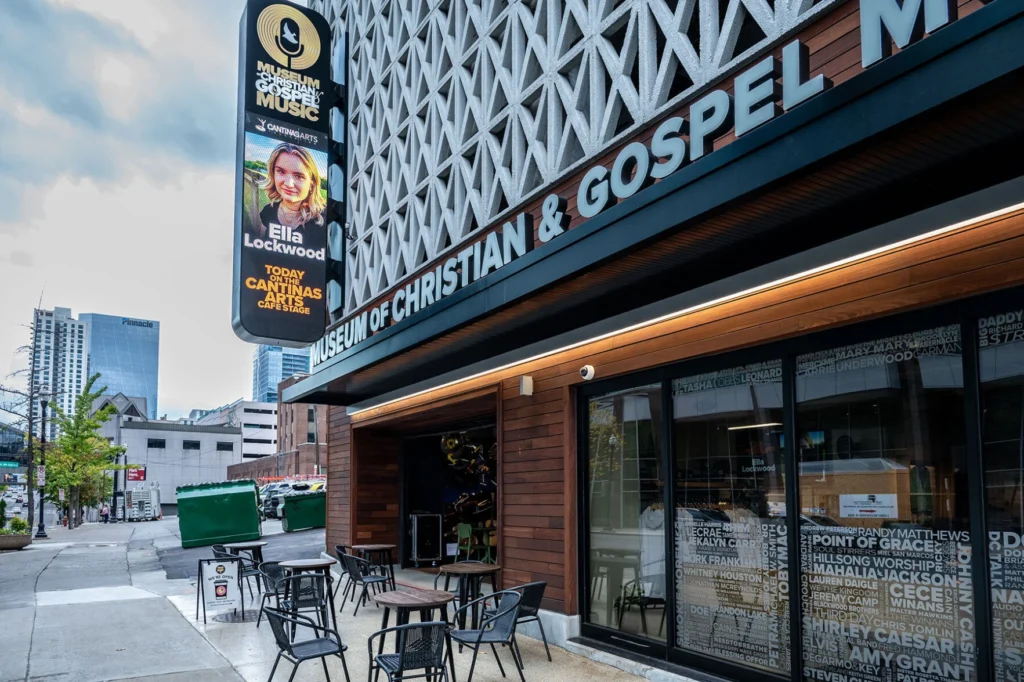
Just a block from the neon lights of Broadway, the museum greets visitors with a striking sight: a thousand-pound sculpture crafted by Steve from reclaimed instruments and cast acrylic. What began as a backyard project grew into a monumental work that soon outgrew his garage and required a tent to complete. The finished piece rises like a song made tangible—a tribute to the idea that when something true is planted, whether a lyric or a life, it bears lasting fruit.
Inside, the flow feels organic, more like sound waves than structural beams. Visitors can record vocals on beloved songs, read the stories behind how they were written, or leave personal audio messages for the artists whose work shaped their lives. Digital panels feature eighteen artists—including Steven Curtis Chapman, Lecrae, Amy Grant, TobyMac, CeCe Winans, Dr. Bobby Jones, and Bill and Gloria Gaither—sharing intimate reflections on songwriting, purpose, and calling.
A solemn corner invites guests to slip written prayers into a wall inspired by Jerusalem’s Wailing Wall. Each week, staff and volunteers pray over them—a quiet reminder that the music heard here exists because of the One who gave it. Prayer, like music, is its own language of connection between Creator, artist, and listener.
The museum also serves as a live venue, hosting concerts, workshops, and special events. Its first performance featured artist-in-residence Russ Taff with surprise guest Phil Keaggy, both GMA Hall of Fame members—setting the tone for future evenings of music and storytelling that honor the past while celebrating what’s next.
Within Mike Curb Presents GMA Gospel Music Hall of Fame, visitors can explore a digital archive of nearly two hundred inductees—from early pioneers John Newton, Fanny Crosby, and Thomas Dorsey, to Gospel greats Mahalia Jackson and Clara Ward, to trailblazers Dottie Rambo, Andraé Crouch, and Larry Norman, and modern innovators Tramaine Hawkins, Karen Peck, and Yolanda Adams. In the Dove Theater, hours of curated footage celebrate five decades of unforgettable performances that defined Christian and Gospel Music.
It’s worth the short drive from the suburbs to step into a world of stories—including Williamson County neighbors like Steven Curtis Chapman’s Great Adventure guitar, marked by the dent of a fallen Dove Award, a small reminder that even flaws can become part of the story. Toby McKeehan’s hand-painted Jordans and stage jacket, brimming with creative energy; and NewSong’s “Christmas Shoes,” connecting Westhaven songwriter Eddie Carswell’s faith to a worldwide phenomenon. Natalie Grant’s 2024 Dove Awards performance dress, displayed in the museum’s Dove Theater, joins gowns worn by Jekalyn Carr, Sandi Patty, Jenn Johnson, and Nicole C. Mullen—each a testament to the strength and beauty of the music’s leading women. From Point of Grace’s holiday attire to DeGarmo & Key’s keytar and the full recording console from Brentwood’s legendary Gold Mine Studio, the exhibits honor artists whose creativity was forged in our own neighborhoods. Their songs reached the world, but their roots remain here.
For Steve, the connection between creativity, faith, and community continues to guide every endeavor—whether mentoring teens in inner-city Chicago through Young Life or shaping a museum that gives this music a home. “Everything I’ve done in my life, I’ve been all in—driven by faith and passion,” he said. “That’s my marriage of forty years, my work with Young Life, and now this museum. I don’t know why I’ve been given these gifts or these opportunities, but I don’t dare do anything less than my best with what I’ve been given. That’s all I know to do.”
If You Go
Museum of Christian & Gospel Music
402 Commerce Street, Nashville, Tennessee
Hours: Monday–Saturday, 10 a.m.–5 p.m.; extended hours Thursdays until 7 p.m.
Closed Thanksgiving Day and Christmas Day.
Parking: Convenient paid parking available at the 4th & Commerce Parking Garage, steps from the entrance.
Admission:
Adults (18–64): $19.95
Seniors (65+): $14.95
Youth (13–17): $14.95
Children (12 and under, with parent): Free

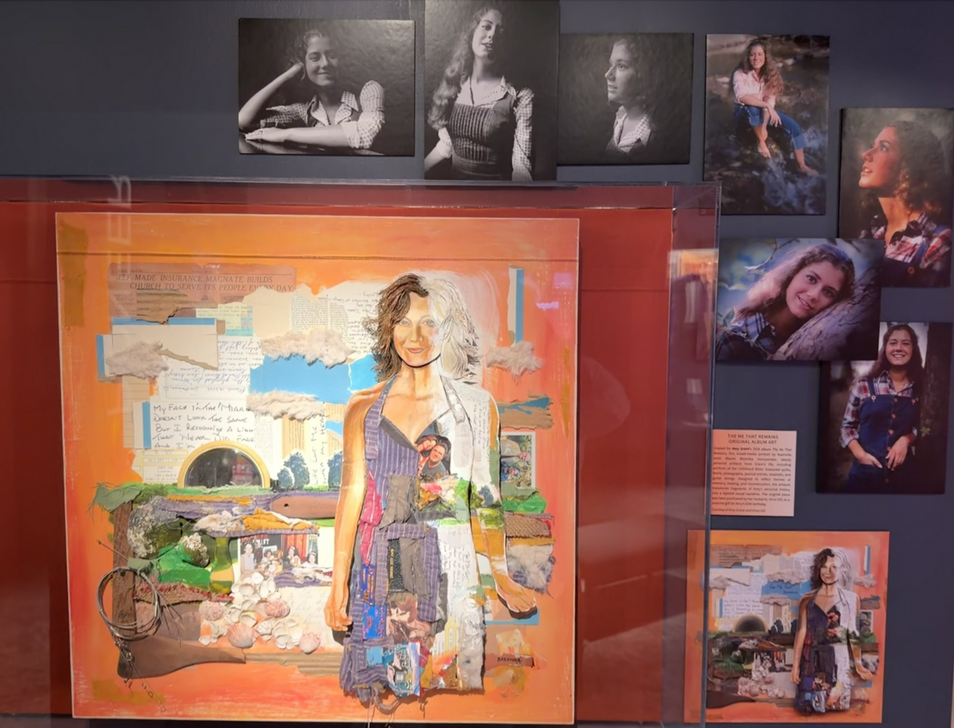
Museum Of Christian & Gospel Music Opens Amy Grant Pop-Up Exhibit

SUPPORT THE MISSION AND YOU’LL RECEIVE EXCLUSIVE UP- DATES ON EVENTS, ARTISTS & MORE
JOIN TODAY
